Source Chocolate Tempering Pot for Candy, Biscuit, and Donut
Find 30 chocolate temper pot options from verified Chinese manufacturers. Compare electric and semi-automatic models suitable for candy, ice cream, and chocolate processing with customizable features and various capacities.
Key considerations
Products List








Comprehensive Sourcing Guide
Strategic Sourcing Guide for Chocolate Tempering Pots
Understanding the Core Equipment Landscape
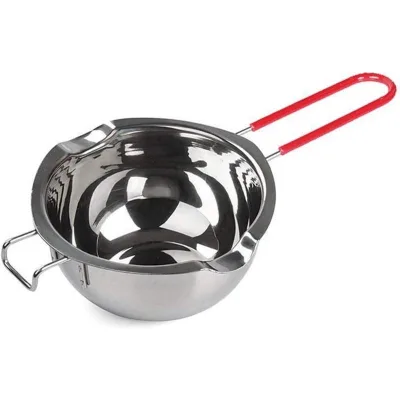
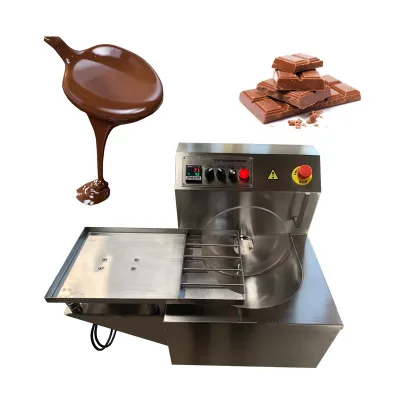
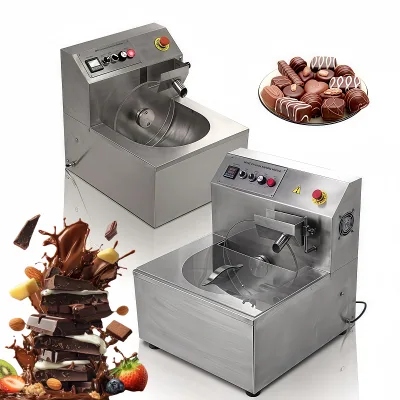
The global demand for confectionery processing equipment has driven a specialized market segment focused on chocolate tempering and melting solutions. When sourcing a chocolate temper pot, buyers must distinguish between industrial batch tempering machines and smaller-scale melting pots designed for retail or home use. The observed product landscape reveals a significant divergence in capabilities. On one end of the spectrum, there are automatic batch chocolate tempering machines, often characterized by complex control systems and stainless steel construction. On the other, there are specialized melting pots, such as double boiler designs, intended for direct heat application or induction cooking.
The primary distinction lies in the intended application. Industrial-grade units are typically engineered for high-volume production of candy, chips, biscuits, popcorn, ice cream, donuts, and chocolate products. These machines often feature automatic grades and are built to maintain precise temperature curves essential for proper chocolate crystallization. Conversely, smaller units, such as stainless steel double boiler pots, are frequently marketed for store or home suitability. These units prioritize versatility, often supporting both gas and induction cookers, and are designed for melting rather than the full tempering cycle required for professional confectionery manufacturing. Understanding this functional split is the first step in aligning procurement with operational needs.
Technical Specifications and Material Integrity
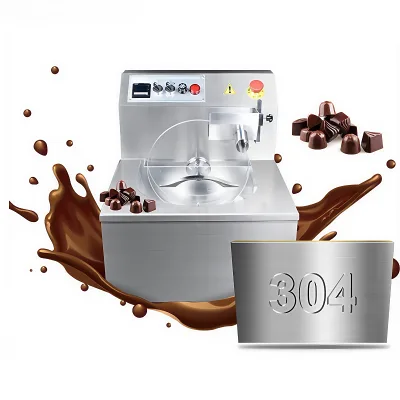
Material composition and mechanical specifications are the most critical factors in determining the longevity and performance of a chocolate temper pot. The supplied data indicates a strong preference for Stainless Steel 304 as the primary material. This grade of stainless steel is essential in food processing environments due to its resistance to corrosion, ease of cleaning, and non-reactive nature with acidic or sugary food products. Buyers should verify that the contact surfaces of any unit are indeed constructed from this specific alloy to ensure food safety compliance.
Capacity and dimensions vary significantly across the market. Some units are specified with a capacity of 5.5 liters, suitable for medium-scale operations, while others are defined by physical dimensions such as 13508801780mm for larger batch machines. Smaller melting pots may have capacities ranging from 400ML to 600ML, packaged in single units with dimensions around 40x27x22 cm. The voltage requirements also present a critical variable; equipment is available in 220V or 110V configurations, necessitating careful verification against the buyer's local power infrastructure.
The following table summarizes the observed technical variations in the current market:
| Feature Category | Industrial Batch Machine | Small-Scale Melting Pot |
|---|---|---|
| Primary Function | Tempering Machine | Chocolate Melting Pot |
| Material | Stainless Steel 304 | Metal / Stainless Steel |
| Capacity | 5.5L | 400ML / 600ML |
| Dimensions | 13508801780mm | 660590590mm (approx.) |
| Power Source | Electric | Gas or Induction Cooker |
| Grade | Automatic / Semi-Automatic | Manual / General Use |
| Packing | Export Wooden Case | Single Package Box |
Compliance, Certification, and Safety Standards
Navigating the regulatory landscape is a non-negotiable aspect of B2B procurement. The presence of CE certification is a documented fact for certain units in the supply chain, indicating compliance with European health, safety, and environmental protection standards. Buyers must explicitly request and verify this certification for any equipment intended for sale or operation within regulated markets. However, the absence of a listed certification in a product description does not automatically imply non-compliance; it may simply reflect a lack of documentation in the initial listing.
Beyond electrical safety, the material standards must align with food-grade regulations. The use of Stainless Steel 304 is a positive indicator, but buyers should confirm that the specific alloy meets the relevant food contact standards for their target region. For units labeled as "Eco-Friendly," buyers should seek documentation regarding the manufacturing process or the recyclability of the materials, as this term is often used as a marketing attribute rather than a certified standard. Additionally, the "Stocked" attribute suggests immediate availability, which can be beneficial for urgent procurement needs, but it does not substitute for quality assurance protocols.
Cost Drivers and Procurement Economics
The pricing structure for chocolate temper pots is highly variable, with observed ranges spanning from $0.70 to $50,000 USD. This vast disparity is driven by several key factors, including the level of automation, the scale of production capacity, and the complexity of the control systems. A simple melting pot designed for home or small store use will naturally fall at the lower end of this spectrum, whereas a fully automatic batch tempering machine with advanced thermal processing capabilities will command a premium price.
Minimum Order Quantity (MOQ) is another significant economic driver. The market shows an MOQ range from 1 unit to 3,000 units. For small businesses or startups, suppliers offering an MOQ of 1 or low quantities (such as 18 pcs for specific models) provide a lower barrier to entry. However, buyers must also consider the "Logo MOQ," which is observed at 100 pieces for custom branding. If a buyer requires private labeling, they must factor this volume requirement into their initial order planning.
Payment terms are typically flexible, with options including T/T (Telegraphic Transfer), L/C (Letter of Credit), and Western Union. These terms should be negotiated based on the order value and the trust established with the supplier. Lead times also vary, with observed delivery windows of 7-15 working days for stocked items. Buyers should verify if the "7-15 days" applies to all models or only those marked as "Stocked," as custom orders may require extended manufacturing periods.
Typical Applications and Operational Versatility
The application scope of chocolate tempering equipment is broad, catering to diverse segments of the confectionery industry. The observed data lists applications including candy, chips, biscuits, popcorn, ice cream, donuts, and chocolate. This versatility suggests that the equipment is not limited to chocolate production alone but is often part of a broader confectionery processing line. Industrial machines are designed to handle the thermal processing requirements for these varied products, ensuring consistent quality and texture.
For smaller units, the application is more focused. These pots are often marketed for "Store Home" suitability, indicating their use in retail environments, small cafes, or even domestic kitchens. The "Applicable Stove" attribute confirms that many of these units are designed for general use with both gas and induction cookers, offering flexibility in power source selection. This adaptability is crucial for buyers operating in locations with inconsistent power supplies or those who prefer the precise heat control of induction cooking.
The "Function" of the equipment is a primary differentiator. While some units are explicitly labeled as "Tempering Machines," others are described as "Stainless Steel Double Boiler Pots." The former implies a machine capable of maintaining the specific temperature cycles required to crystallize chocolate properly, while the latter suggests a vessel primarily for melting. Buyers must align the equipment function with their specific production goals; a melting pot alone cannot replace a tempering machine for professional confectionery manufacturing.
Supplier Evaluation and Quality Assurance
Evaluating suppliers requires a meticulous review of their product attributes and operational transparency. The "Brand" and "Brand Name" fields in the data show a mix of established names and generic identifiers. Buyers should prioritize suppliers who provide clear branding and traceability. The "Advantage" of "Long Life Service" is a common claim, but it must be substantiated by warranty terms and the availability of spare parts.
Quality control should be a central part of the supplier selection process. Buyers must verify the "Automatic Grade" and "Semi-Automatic" distinctions to ensure the machine matches their desired level of automation. The "Process" of "Thermal Processing" should be validated to ensure the machine can handle the specific thermal requirements of chocolate. Furthermore, the "Customization" attribute is available in the market, allowing for tailored solutions. However, buyers should clarify the extent of customization, particularly regarding the "LOGO" acceptance and the associated MOQs.
The "Packing" method is also a critical quality indicator. The use of "Wooden Case" or "Export Wooden Case Packaging" suggests a higher level of protection during transit, which is essential for heavy machinery. In contrast, smaller units may be packed in single boxes. Buyers should ensure that the packaging is robust enough to prevent damage during shipping, especially for international orders where the "Place of Origin" may be far from the destination.
Long-Term Procurement and Maintenance Considerations
Sourcing a chocolate temper pot is not a one-time transaction but the beginning of a long-term operational relationship. Buyers should consider the "Delivery Time" and "Lead Time" implications for their supply chain planning. While some items are "Stocked" for immediate dispatch, custom orders may require significant lead times. The "Payment Term" flexibility can help manage cash flow, but buyers should ensure that the terms align with their financial policies.
Maintenance and serviceability are paramount for long-term success. The "Material" of Stainless Steel 304 offers durability, but the mechanical components, such as heating elements and control boards, require regular inspection. Buyers should inquire about the availability of technical support and spare parts. The "Design Style" of the equipment, often described as "Modern," should also be considered for integration into existing production lines or retail spaces.
Finally, buyers must remain vigilant about the "Standard" specifications. While some units are listed with specific dimensions or capacities, these should be treated as observations rather than universal guarantees. Every listed product may not satisfy every attribute mentioned in a general category description. Therefore, direct verification of specifications with the supplier before finalizing the order is essential to avoid mismatches between expectation and reality. By adhering to these rigorous evaluation criteria, buyers can secure reliable equipment that meets their specific production needs while mitigating the risks associated with international procurement.
FAQs
What certifications are available for chocolate temper pots?
CE certification is available for certain units in the supply chain. Buyers must explicitly request and verify this certification for any equipment intended for operation within regulated markets to ensure compliance with safety standards.
Which material is used for food-grade chocolate temper pots?
Stainless Steel 304 is the primary material used for contact surfaces. This grade ensures resistance to corrosion and is non-reactive with sugary food products, meeting essential food safety compliance requirements for processing environments.
Can these machines handle applications beyond just chocolate?
Yes, the equipment supports applications including candy, chips, biscuits, popcorn, ice cream, and donuts. Industrial machines are designed to handle the thermal processing requirements for these varied confectionery products to ensure consistent quality.
What is the typical delivery time for stocked items?
The observed delivery window is 7 to 15 working days for stocked items. Buyers should verify if this applies to all models, as custom orders may require extended manufacturing periods beyond this standard timeframe.
How does the MOQ vary for custom logo printing?
The standard MOQ for the unit itself ranges from 1 to 3000 pieces depending on the model. However, the specific MOQ for accepting a customized logo is observed at 100 pieces for private labeling needs.
What voltage options are available for these machines?
Equipment is available in 220V or 110V configurations to suit different power infrastructures. Buyers must carefully verify the voltage requirements against their local power supply before finalizing the procurement to ensure operational compatibility.
Which payment terms are typically accepted by suppliers?
Payment terms are typically flexible, including T/T, L/C, and Western Union. These terms should be negotiated based on the order value and the trust established with the supplier during the procurement process.